
Skill-Based Hiring in Europe: What Recruiters Look For in 2026

The European job market is undergoing a major shift. In 2026, recruiters are prioritizing skills over degrees, focusing on what candidates can actually do rather than where they studied. This transition—known as skill-based hiring—is transforming recruitment across Europe and opening new opportunities for international professionals. What Is Skill-Based Hiring? Skill-based hiring is a recruitment approach where employers evaluate candidates based on: Practical skills Real-world experience Certifications and portfolios Problem-solving ability Instead of relying solely on academic qualifications, European employers are increasingly using assessments, projects, and competency-based interviews. Why Europe Is Shifting to Skill-Based Hiring in 2026 Several factors are accelerating this trend: Talent shortages in key industries Rapid technological advancement Demand for job-ready professionals Workforce mobility across EU countries Initiatives such as the EU Blue Card also encourage companies to recruit highly skilled international talent. Top Skills European Recruiters Want in 2026 1. Digital & Technology Skills Tech skills remain the most in-demand across Europe. High-value skills include: Artificial Intelligence & Machine Learning Cybersecurity Cloud Computing Data Analytics Software Development Countries like Germany and Netherlands are leading tech-driven hiring. 2. Green & Sustainability Skills Europe’s focus on climate goals has increased demand for sustainability professionals. Key skills: Renewable Energy Systems Environmental Impact Analysis ESG Reporting Sustainable Supply Chain Management 3. Healthcare & Life Sciences Skills An aging population is pushing healthcare hiring across Europe. In-demand competencies: Clinical & Patient Care Medical Technology Operation Healthcare Management 4. Skilled Trades & Engineering Skills Hands-on technical expertise is highly valued. Popular skills include: Electrical & Mechanical Engineering Automation & Robotics CNC Machining & Welding 5. Soft Skills Recruiters Can’t Ignore Soft skills are now just as important as technical abilities. Recruiters prioritize: Communication & teamwork Adaptability and learning mindset Problem-solving skills Cross-cultural collaboration How Recruiters Assess Skills in 2026 European employers use multiple methods to evaluate candidates: Skills-based interviews Technical assessments & tests Portfolio reviews Trial projects or assignments Recruiters increasingly rely on proof of competence rather than academic transcripts. How Job Seekers Can Prepare for Skill-Based Hiring Build a Strong Skills Portfolio Showcase real projects, case studies, and measurable results. Earn Recognized Certifications Industry certifications help validate skills internationally. Update Your CV for Skills-First Hiring Highlight skills at the top Focus on achievements, not responsibilities Use clear, concise formatting Stay Continuously Up-Skilled Recruiters favor candidates who keep learning and adapting. Countries Leading Skill-Based Hiring in Europe Several countries are actively promoting skill-focused recruitment: Germany – Engineering, IT, healthcare Netherlands – Tech & startups Ireland – Technology & finance Portugal – Digital & remote jobs Final Thoughts Skill-based hiring in Europe is redefining career success in 2026. Job seekers who invest in relevant skills, certifications, and practical experience will stand out—regardless of their educational background. For professionals targeting Europe, the future belongs to those who can prove their skills, adapt quickly, and deliver results.
2026 Career Reset: Small Daily Shifts That Create Big Professional Wins

As we step into 2026, career growth is no longer about dramatic job changes or overnight success. The real winners are those who make small, consistent improvements that compound over time. Whether you’re feeling stuck, aiming for a promotion, or planning a career switch, these practical career resolutions can help you achieve big results with manageable effort. 1. Upgrade One Skill at a Time Instead of overwhelming yourself with multiple goals, focus on one high-impact skill for 60–90 days. Examples: Communication & presentation AI tools for productivity Advanced design, marketing, or data skills 2. Improve Your Online Professional Presence Your digital profile often speaks before you do. Small actions that matter: Update your LinkedIn headline with clear keywords Share one value-driven post per week Refresh your portfolio or CV every quarter These steps can quietly open doors to better opportunities. 3. Build a 30-Minute Daily Growth Habit You don’t need hours—just 30 focused minutes daily: Learning a new tool Reading industry trends Practicing interviews or communication Consistency beats intensity in long-term career success. 4. Network With Purpose, Not Pressure Forget random connections. In 2026, smart networking means: Reconnecting with old colleagues Engaging meaningfully on posts Sending one thoughtful message per week Quality connections lead to real opportunities. 5. Track Your Work Wins Monthly Most professionals forget their achievements. Create a simple monthly log: Projects completed Results delivered Skills improved This makes appraisals, promotions, and job interviews far easier. 6. Learn to Communicate Your Value Hard work alone is not enough. Practice: Clear updates to managers Confident but humble self-promotion Result-focused conversations This single habit can accelerate promotions faster than technical skills alone. 7. Prioritize Mental Clarity & Energy Career growth in 2026 is deeply linked to mental health. Small but powerful changes: Better sleep routine Short daily walks Reduced screen time after work A clear mind performs better and grows faster. Final Thoughts You don’t need a complete career overhaul in 2026. Small, intentional changes—done consistently—can transform your professional life within a year. Start with one habit, stay consistent, and let time do the rest.
How to Choose the Right Job in the UAE: A Complete Guide Beyond Salary

When exploring job opportunities in the UAE, many candidates focus only on salary. However, a high-paying offer doesn’t always guarantee long-term satisfaction or career growth. To make the right decision, job seekers must evaluate multiple factors beyond monthly income. Here’s a complete and practical guide to help you choose the best job in the UAE—especially for platforms like apkijob.com. 1. Total Compensation Package (Not Just Salary) In the UAE, benefits often make a big difference. Always check what’s included in the offer: Accommodation or housing allowance Transportation allowance Medical insurance (individual or family) Annual airfare or ticket allowance Overtime and performance bonuses Sometimes a slightly lower salary with strong benefits can be far more valuable. 2. Company Culture & Work Environment Company culture directly affects your mental health and productivity. Before accepting an offer, research: Working hours and workload Management style Employee reviews Growth mindset and professionalism. A supportive and respectful environment is essential for long-term success in the UAE job market. 3. Visa Type & Legal Security Always confirm the visa category and sponsor details. A legitimate employer in the United Arab Emirates will provide: Valid work visa Labor contract registered with authorities Clear job designation Avoid companies that delay visa processing or ask employees to work on visit visas. 4. Career Growth & Learning Opportunities Ask yourself: Does this role improve my skills? Are promotions and salary increments possible? Does the company offer training or certifications? Jobs that offer learning and advancement are more valuable than short-term gains. 5. Job Stability & Company Reputation Before accepting any offer: Check how long the company has been operating Review online feedback and ratings Understand contract terms and probation period A stable company ensures consistent income and peace of mind. 6. Work-Life Balance Some UAE jobs come with extended working hours. Clarify: Weekly working days Overtime policy Leave structure (annual, sick, emergency) A healthy work-life balance helps you stay motivated and productive. 7. Location & Daily Expenses Consider where the job is located and how it affects your budget: Distance from accommodation Transport cost Cost of living in the area Sometimes a centrally located job saves money and time, even with a moderate salary. 8. Contract Terms & Exit Policy Always read the employment contract carefully: Notice period End-of-service benefits Contract duration Penalties (if any) Clear terms protect you from future legal or financial issues. Final Thoughts Choosing the right job in the UAE requires smart evaluation—not just a good salary. Benefits, visa security, company culture, career growth, and stability all play a crucial role. A well-balanced decision leads to long-term success and a better professional life.
Why Dubai Is a Top Destination for Job Seekers

Dubai has rapidly evolved into one of the world’s most attractive cities for professionals seeking better career opportunities, higher incomes, and a global lifestyle. From fresh graduates to experienced executives, job seekers from around the world are drawn to Dubai for many compelling reasons. Here’s why Dubai continues to rank as a top destination for job seekers in 2026 and beyond. 1. Strong & Diverse Job Market Dubai offers job opportunities across multiple industries including IT, finance, construction, healthcare, tourism, logistics, digital marketing, real estate, and aviation. As a business hub of the Middle East, companies from Asia, Europe, and Africa operate here, creating a constant demand for skilled professionals. 2. Tax-Free Salaries One of the biggest attractions for job seekers is Dubai’s tax-free income structure. Professionals can save a significant portion of their earnings compared to many other countries. This financial advantage makes Dubai especially appealing for long-term career growth and wealth building. 3. Global Career Exposure Working in Dubai means collaborating with multinational teams and global brands. This international exposure enhances your CV, improves professional skills, and opens doors to future opportunities worldwide. 4. High Standard of Living Dubai offers world-class infrastructure, modern transportation, advanced healthcare, and premium residential communities. The city balances luxury with convenience, making it suitable for both single professionals and families. 5. Business-Friendly Environment The government of United Arab Emirates actively supports business growth through investor-friendly policies, free zones, and simplified work visa processes. This environment encourages companies to expand, resulting in continuous job creation. 6. Safety & Stability Dubai is known for its low crime rate and political stability. Job seekers feel secure living and working here, which is a major factor when choosing a foreign destination for employment. 7. Rapid Career Growth Opportunities Due to fast-paced development and competition, professionals in Dubai often experience quicker promotions and skill development compared to traditional job markets. Performance-based growth is highly valued. 8. Networking & Professional Growth Dubai hosts international expos, trade shows, and business events throughout the year. These platforms provide excellent networking opportunities, helping job seekers connect with employers, recruiters, and industry leaders. 9. Easy Access to Global Markets Located between Asia, Europe, and Africa, Dubai’s strategic position makes it ideal for professionals involved in international trade, logistics, aviation, and global business operations. 10. Multicultural Lifestyle With over 200 nationalities living in Dubai, the city offers a welcoming, diverse, and inclusive environment. This multicultural setting makes it easier for expatriates to adapt and feel at home. Final Thoughts Dubai is more than just a luxury destination—it’s a land of opportunities. With tax-free salaries, global exposure, career growth, and a high quality of life, Dubai remains one of the best choices for job seekers aiming for professional success in 2026.
Europe Job Market in 2026: Latest Trends & In-Demand Jobs

The Europe job market in 2026 is evolving rapidly due to digital transformation, green energy growth, and workforce shortages. While some traditional roles are declining, demand for skilled professionals is rising across multiple sectors. Countries like Germany, Netherlands, UK, and Poland are offering strong job opportunities for local and international candidates. Top In-Demand Jobs in Europe (2026) Technology & IT: AI engineers, software developers, cybersecurity specialists, and data analysts remain among the most in-demand roles across Europe. Healthcare & Social Care: Due to aging populations, Europe urgently needs nurses, healthcare assistants, caregivers, and medical technicians. Green Energy & Sustainability: Renewable energy, EV infrastructure, and environmental engineering jobs are growing fast as Europe focuses on climate goals. Skilled Trades & Engineering: Electricians, mechanics, technicians, and engineers are highly demanded, especially in manufacturing and construction sectors. Skills Employers Prefer in 2026 European employers are focusing on skills over degrees. Key skills include: Digital & AI tools Data and cybersecurity knowledge Engineering & technical expertise Communication and adaptability Work Permits & Opportunities for Foreigners Many European countries offer: Skilled worker visas EU Blue Card programs Shortage occupation work permits Healthcare, IT, and engineering professionals have higher visa approval chances in 2026.
Gulf Job Market Outlook 2026 — Trends, Opportunities & What Job Seekers Must Know

Introduction: The Gulf job market in 2026 is shaping up to be one of the most dynamic and competitive in recent years. With economic diversification, massive infrastructure projects, and digital transformation fast-tracking hiring, the GCC (Gulf Cooperation Council) region — including UAE, Saudi Arabia, Qatar, Kuwait, Bahrain, and Oman — offers fresh opportunities for job seekers from around the world. 1. Strong Hiring Momentum Across the Region: Experts predict an uplift in job creation and recruitment activity in 2026 — particularly in the UAE, where recent surveys place it among the top global hiring markets. The ManpowerGroup Employment Outlook Survey reports a very positive job growth forecast for the UAE early in 2026, driven by broad strategic hiring across industries. Across the broader Gulf, nearly half of companies anticipate increasing their headcount in 2026, while others balance growth with efficiency 2. Top Sectors Leading Job Growth Here’s where job growth is most visible: Construction & Infrastructure Large-scale projects in cities like Dubai, Abu Dhabi, and Riyadh continue to hire engineers, project managers, surveyors, and skilled labor — making construction one of the strongest job markets.Technology, AI & Digital Roles Demand for AI-savvy professionals, data engineers, cybersecurity experts, and digital transformation leaders is rising rapidly. Employers increasingly expect candidates with strong digital skills and adaptability. ⚡ Energy & Renewables The Gulf’s pivot away from oil dependency has opened opportunities in clean/renewable energy, EV infrastructure, and smart mobility sectors, especially in the UAE. Hospitality, Tourism & Services With ongoing tourism development plans and global events returning to full swing, sectors like hospitality, retail, and customer service are hiring at a steady pace. Finance & Professional Services Finance, compliance, risk management, and fintech roles are expected to keep growing as the Gulf strengthens its global business hub status. The Gulf job market in 2026 is full of promise, but success requires adaptability, constant learning, and strategic positioning. Whether you’re an experienced professional or entering the job market for the first time, staying informed and skill-focused will keep you competitive in this fast-evolving employment landscape Tip: Job seekers with in-demand skills and relevant certifications will have a clear advantage in these fast-growing sectors in 2026..
The Labor Class Success Guide
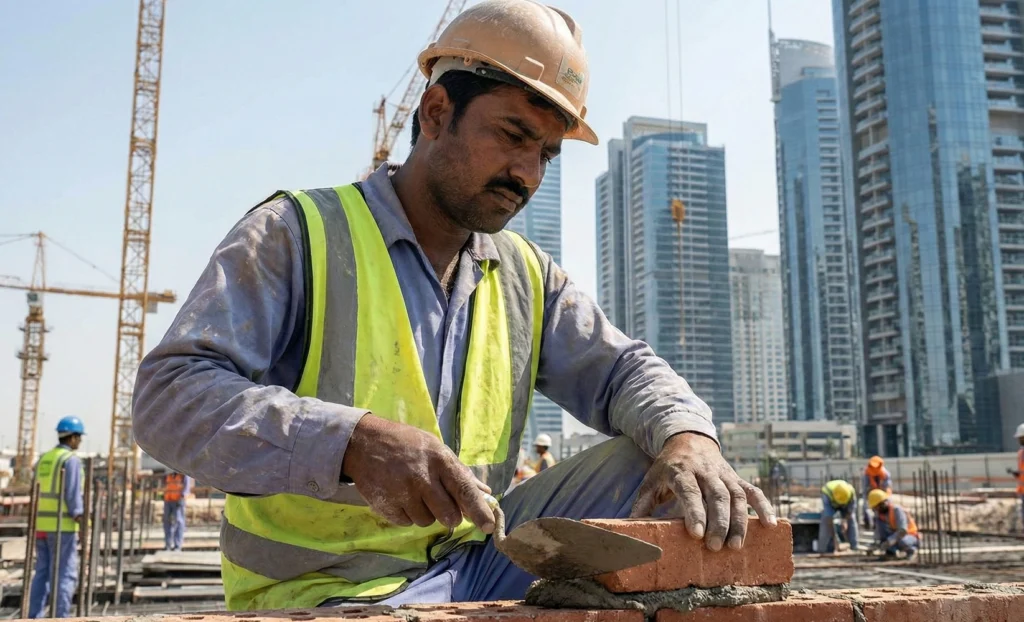
A Complete Guide for Labor Class Workers Moving to the Gulf: Salaries, Benefits, and Safety For millions of workers from Pakistan, India, and Bangladesh, a job in the Gulf is a life-changing opportunity. However, it is important to know your rights and what to expect before you board your flight. Average Salary Expectations (Estimates): General Labor: 900 – 1,200 SAR/QAR + Food/Housing. Skilled Technicians (Electricians/Plumbers): 1,500 – 2,500 SAR/QAR. Heavy Drivers: 2,000 – 3,500 SAR/QAR (depending on license type). Essential Benefits You Must Check in Your Contract: Housing: Is the company providing a room? (Standard is 4-6 people per room). Food Allowance: Does the company provide food, or do they give a “Food Allowance” (usually 200-300 Riyals)? Duty Hours: Standard duty is 8 hours. Ensure your contract mentions Overtime (OT) pay for extra hours. Vacation: Most companies offer a return ticket and 30 days of paid leave every 2 years. Warning: Avoid Recruitment Scams Never pay huge amounts of money to “unauthorized” sub-agents. Always verify the OEP (Overseas Employment Promoter) license number and ensure your visa is stamped through official government channels.
Bike Rider & Delivery Jobs
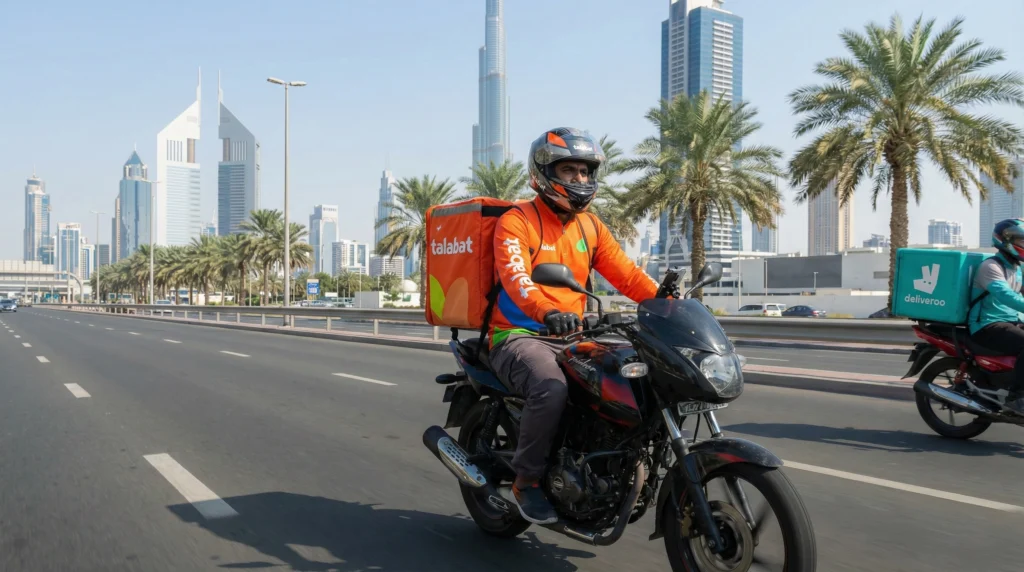
Bike Rider & Delivery Jobs Abroad 2026: Requirements, Salary & How to Apply The e-commerce and food delivery sectors in the Gulf (UAE, KSA, Qatar) are booming. If you have a valid motorcycle license and basic English skills, a Bike Rider job can be your gateway to a stable income abroad. In 2026, companies like Talabat, Deliveroo, and Careem are actively hiring from Pakistan. Requirements for Delivery Riders: Valid License: You must have a valid motorcycle driving license from your home country or the host country. Language Skills: Basic English or Arabic is necessary for interacting with customers and using delivery apps. Physical Fitness: Riders must be able to handle outdoor weather and long shifts. Salary & Benefits (2026 Estimates): UAE (Dubai/Abu Dhabi): AED 2,000 to AED 3,500 per month. Saudi Arabia: SAR 1,500 to SAR 2,500 + performance bonuses. Benefits: Most companies provide a bike, fuel allowance, health insurance, and accommodation. Conclusion: Bike rider jobs offer quick onboarding and the potential to earn extra through tips. Always apply through licensed agencies to avoid scams.